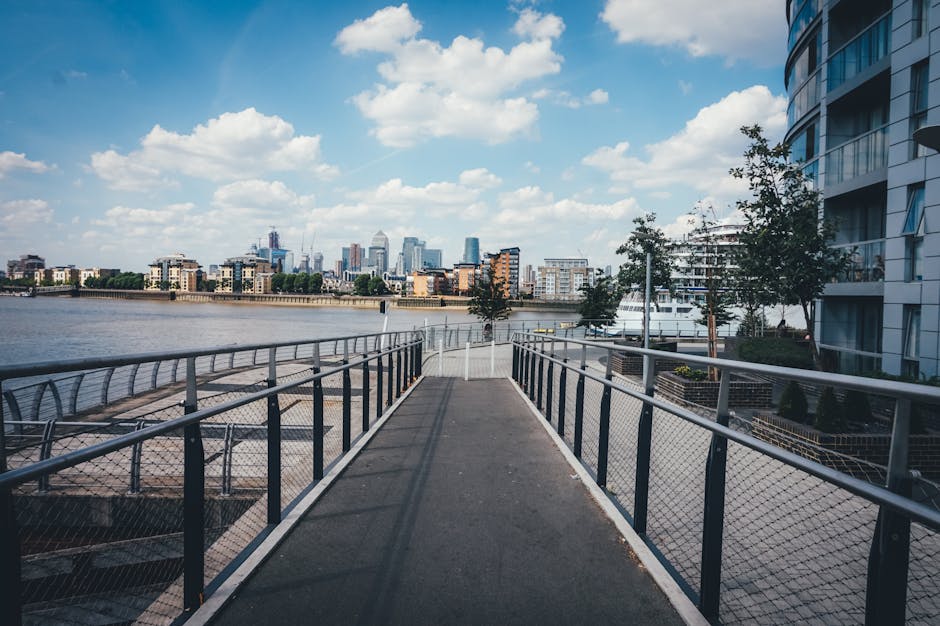
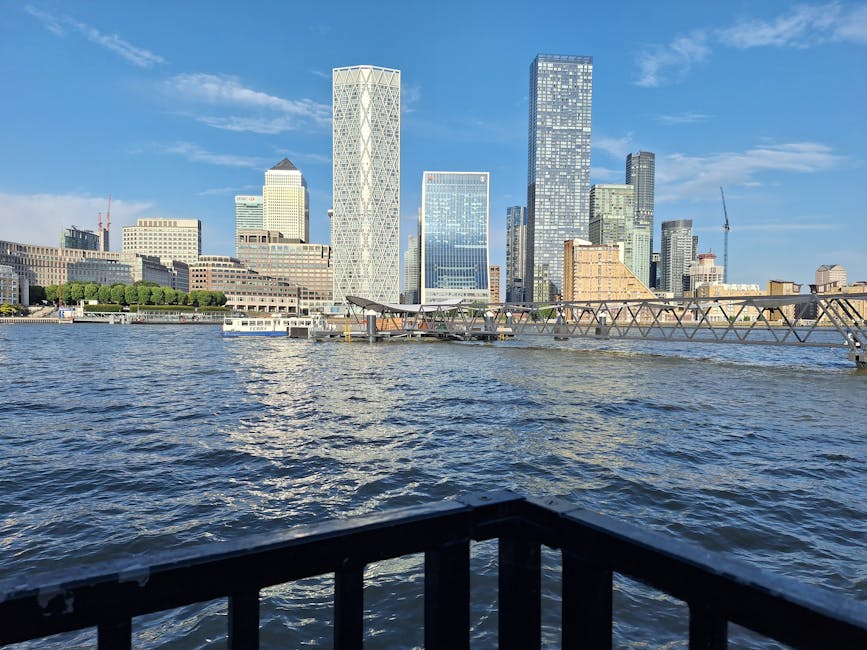
Gardeners for Canary Wharf office terraces and balconies
Office terraces and balconies in Canary Wharf can look brilliant on a bright morning: neat planters, clean paving, a few well-chosen evergreens, maybe even a quiet corner where staff can drink tea without feeling like they are sitting on a fire escape. But they can also become awkward very quickly. Wind dries everything out, drainage gets messy, soil blows about, and a space that should feel sharp and professional starts looking tired. That is exactly where gardeners for Canary Wharf office terraces and balconies come in.
This guide explains what professional terrace and balcony gardening involves, why it matters for offices, how the work is typically done, and what to look for if you want a reliable, low-fuss result. We will also cover practical maintenance routines, common mistakes, and the kinds of services that tend to support these spaces best, including ongoing garden maintenance, light landscaping, and landscape gardening where a fuller refresh is needed.
To be fair, a good terrace is not just decoration. It is part of the working environment. And when it is looked after properly, people notice.
Practical takeaway: A well-maintained office terrace or balcony should feel safe, tidy, and easy to use all year round, not just look good on installation day.
For readers comparing providers, it helps to understand the full service picture too. A company with broader support such as services overview, sensible pricing and quotes, and clear insurance and safety information is usually easier to trust than a vague one-page pitch. That is just common sense, really.
Table of Contents
- Why Gardeners for Canary Wharf office terraces and balconies Matters
- How Gardeners for Canary Wharf office terraces and balconies Works
- Key Benefits and Practical Advantages
- Who This Is For and When It Makes Sense
- Step-by-Step Guidance
- Expert Tips for Better Results
- Common Mistakes to Avoid
- Tools, Resources and Recommendations
- Law, Compliance, Standards, or Best Practice
- Options, Methods, or Comparison Table
- Case Study or Real-World Example
- Practical Checklist
- Conclusion
- Frequently Asked Questions
Why Gardeners for Canary Wharf office terraces and balconies Matters
Canary Wharf offices often work in a very specific environment. You have exposed heights, reflected heat from glass and stone, gusty wind tunnels between buildings, and terraces that are expected to perform visually from day one. That combination is lovely for skyline views and not always lovely for plants. A balcony can look immaculate at midday and then feel surprisingly harsh by late afternoon.
So why does this matter so much? Because outdoor office space sends a message. It tells clients whether the workplace is cared for. It tells staff whether someone has thought about comfort. And it tells visitors, sometimes before anyone has even said hello, whether the building feels organised or a bit neglected. That first impression is doing a lot of heavy lifting.
There is also a simple wellbeing angle. People tend to use outdoor spaces more when they are clean, accessible, and pleasantly planted. A terrace with bare tubs and a few sad stems is easy to ignore. A calm, well-kept space with structure and seasonal interest gets used. You will notice the difference on a Tuesday afternoon when the office is busy and everyone needs five quiet minutes.
In practical terms, gardeners for terraces and balconies are dealing with more than planting. They are managing weight limits, drainage, irrigation, pruning, waste removal, and regular tidying so the space stays presentable. A good result is not accidental. It is maintained.
How Gardeners for Canary Wharf office terraces and balconies Works
The process usually starts with a site assessment. That means looking at the size of the terrace or balcony, how much direct sun it gets, how windy it is, what surfaces are present, and what the building permits. It also means checking how people use the space. A staff breakout terrace needs a different layout from a client-facing balcony outside a meeting room.
After that, a gardener will usually recommend a maintenance approach. Sometimes the work is mostly routine care: watering, feeding, deadheading, pruning, cleaning, and replacing tired plants. Sometimes it includes more structural changes, such as refreshed planters, new edging, or a better planting scheme that suits the exposure. If hard surfaces need attention too, decking services can be relevant where timber platforms or balustrade-adjacent surfaces need improvement.
The work itself is often planned around office hours, access requirements, and safety controls. That matters in a commercial building where staff, contractors, and visitors are all moving through the same space. Good gardeners are careful about timing, waste handling, and keeping disruption low. Nobody wants soil tracked through a reception area at 8:45am. Nobody.
In some cases, the job is a one-off rescue. In others, it is a regular contract. A one-off visit can restore order after a busy season, while scheduled maintenance keeps the terrace from slipping back into disrepair. For many Canary Wharf offices, the second option is the smarter one because the conditions are quite unforgiving.
What usually happens during a visit
- Inspection of planters, foliage, irrigation, and drainage points
- Removal of damaged leaves, litter, and spent flowers
- Light pruning and shaping to keep plants compact and tidy
- Watering and feeding based on weather and plant type
- Surface cleaning around pots, rails, and seating areas
- Minor plant replacement if something has clearly failed
- Reporting on anything that may need deeper work later
That final point is useful. A good gardener should not just fix what is visible and leave. They should tell you if a planter is becoming waterlogged, if a species is struggling in the wind, or if the space would benefit from a different approach next season.
Key Benefits and Practical Advantages
There are obvious visual benefits, of course. But the practical advantages are just as important, maybe more so if you are the person responsible for keeping the space usable.
- Better first impressions: A tidy terrace instantly lifts the feel of a commercial property.
- Safer surfaces: Regular upkeep reduces mess from fallen leaves, overwatering, and clutter around access routes.
- Longer plant life: Plants chosen and maintained for terrace conditions usually last longer and look better.
- Less emergency fixing: Scheduled care prevents the classic "everything looks fine until it suddenly doesn't" problem.
- More usable space: Staff actually sit outside when the area feels clean and pleasant.
- Better value from planting investment: Well-maintained arrangements are less likely to need full replacement.
There is also an operational benefit that gets overlooked. When outdoor spaces are taken seriously, they stop becoming a management nuisance. You do not get last-minute scrambles before a client visit. You do not spend time arguing over who should water the planters. Small thing, big relief.
If your terrace includes planted screening, seasonal colour, or more developed styling, support from landscape gardening can help keep the design coherent rather than letting it drift into a patchwork of random pots. A well-composed space feels intentional. That is the difference between "someone tried" and "someone planned this properly".
Who This Is For and When It Makes Sense
This kind of service is not only for luxury headquarters or large corporate rooftops. It is useful for a wide range of offices, clinics, agencies, co-working spaces, and property managers with outdoor areas that need to look presentable without draining internal time.
It makes sense when any of these apply:
- The terrace is used by staff and needs to stay clean and comfortable
- The balcony is visible to clients, partners, or visitors
- Plants keep struggling because no one has time for regular care
- The area becomes messy after windy weather or heavy rain
- You want a more polished look without a full redesign
- The building manager needs a dependable contractor rather than ad hoc help
It also makes sense if the space is seasonal. Many offices only need stronger support in spring and summer, then lighter upkeep during autumn and winter. That can be fine, as long as the maintenance plan is realistic. Better a modest plan that is actually followed than an ambitious one that fades after two weeks.
And yes, sometimes the right answer is not more planting. Sometimes the terrace needs less. If an area is cramped, shady, and awkward, the smartest move may be simplifying it and making it easier to keep neat. That is not a failure. It is good design.
Step-by-Step Guidance
If you are organising gardening support for an office terrace or balcony, the process becomes much easier when you break it into steps. Here is a practical path that works well in real life.
- Define the purpose of the space. Is it for staff breaks, client meetings, visual impact, or all three?
- Review access and restrictions. Check loading routes, lift access, working hours, and any building rules.
- Assess the conditions. Look at wind exposure, shade, irrigation options, and how much foot traffic the area gets.
- Identify the problems. Are plants dying, pots cracking, surfaces slippery, or drainage failing?
- Choose the service level. Decide between one-off tidy-up work, scheduled maintenance, or a more complete refresh.
- Agree the planting approach. Terrace plants should be chosen for resilience, not just looks in a catalogue.
- Set a maintenance rhythm. Watering, pruning, feeding, and inspection should follow a realistic schedule.
- Review after the first cycle. After a few visits, check what is working and what is not. Small adjustments matter.
A quick example: if a balcony gets strong afternoon sun and drying wind, you probably need tougher planting, deeper containers, and more frequent watering. If you ignore that and choose thirsty border-style plants, well, the result is predictable. A bit tragic, really.
Expert Tips for Better Results
In our experience, the best terraces are not the most expensive ones. They are the ones with a clear plan and a few sensible details done well.
Choose plants for the actual conditions, not the mood board
It is tempting to buy whatever looked beautiful on the first warm day of spring. But office terraces are usually harsher than people expect. Wind tolerance, container size, drainage, and sun exposure all matter more than the label. If a plant needs shelter and constant care, it may be the wrong fit for a Canary Wharf balcony.
Keep the design simple enough to maintain
Too many varieties can make a space harder to manage. A restrained palette often looks sharper and stays healthier. Repetition can be elegant. There is no prize for squeezing in ten different species just because you can.
Prioritise drainage and water control
Water issues are one of the biggest hidden problems on terraces. Containers should not sit in stagnant water, and drainage points should be accessible. If the area floods after rain or watering, the planting plan will keep fighting itself.
Plan for winter, not just summer
A terrace that looks lovely in June can look bare and brittle in February if it has been designed too narrowly. Good year-round structure gives the office something to look at even in colder months. Evergreens, grasses, and architectural planting often help here.
Build in a reset routine
Every terrace needs a small seasonal reset. Leaves gather in corners. Planters lean. Some plants just get tired. A scheduled tidy-up keeps the whole thing honest. And honestly, that is what makes the difference between "nice outdoor area" and "why is nobody using this?".
Common Mistakes to Avoid
There are a few repeat offenders when it comes to office terraces and balconies. Avoiding them will save time, money, and a fair bit of frustration.
- Ignoring wind exposure: What survives at ground level may fail several storeys up.
- Overplanting: Cramped planters dry out quickly and can look messy fast.
- Choosing looks over maintenance: Beautiful but delicate plants can become office liabilities.
- Neglecting access routes: A smart planting scheme should never block maintenance or emergency access.
- Skipping regular checks: Problems build quietly on balconies.
- Forgetting waste removal: Cuttings and dead material should not be left sitting around.
- Assuming all gardeners are the same: Commercial terrace work needs a different level of organisation from casual domestic gardening.
One of the sneakiest mistakes is inconsistency. A terrace is maintained for a few weeks, then forgotten when schedules get busy, then suddenly it needs major work. That cycle is expensive and avoidable. Let's face it, office life already gives you enough to manage.
Tools, Resources and Recommendations
The best tools are the ones that make maintenance practical rather than overcomplicated. For terrace and balcony work, a professional gardener will usually rely on lightweight, tidy methods that suit limited access and delicate surroundings.
Useful practical items
- Compact hand tools for pruning and deadheading
- Lightweight watering equipment suited to confined spaces
- Planter liners or trays where appropriate
- Weather-resistant containers
- Mulch or decorative top dressing to reduce drying and improve finish
- Protective materials for carrying work through indoor access routes
Service areas worth considering
If a terrace needs a broader tidy-up before maintenance can begin, garden clearance may be the right starting point. If there are shrubs or screening plants that have become unruly, hedge trimming can help keep the overall shape controlled. And if the whole outdoor area needs a cleaner, more professional finish, landscaping may be a better fit than piecemeal fixes.
For businesses that care about waste and material handling, it is worth asking how green waste is removed and whether the contractor follows sensible recycling practices. The page on recycling and sustainability is a useful reference point for that mindset. Not glamorous, but important.
Law, Compliance, Standards, or Best Practice
Terrace and balcony gardening in a commercial setting is not usually about heavy regulation in the way construction work is, but it does involve important responsibilities. The main concern is safe access, sensible working methods, and respecting the building's rules. In office settings, that often means coordinating with facilities teams, keeping walkways clear, and avoiding any action that could create slip or trip hazards.
If work is carried out at height, near edges, or with awkward lifting, the contractor should take a careful approach and use appropriate controls. You do not need dramatic language here; you just need common-sense professionalism. It is also sensible to confirm that the business has suitable insurance, a clear safety process, and a straightforward way to raise concerns if something goes wrong. That is part of the trust picture.
For office and landlord teams, a few best-practice points matter a lot:
- Check that maintenance does not interfere with emergency routes or building access
- Keep water use controlled to avoid pooling and staining
- Use plants and containers that suit the weight and exposure limits of the space
- Document any known hazards, especially on shared terraces
- Agree who is responsible for day-to-day watering between visits
It is also wise to work with a provider who is transparent about operational policies. Pages such as health and safety policy, insurance and safety, and terms and conditions help set expectations clearly. That kind of openness tends to save awkward conversations later.
Options, Methods, or Comparison Table
Not every office terrace needs the same level of attention. Here is a straightforward comparison of the most common approaches.
| Approach | Best for | Typical benefits | Possible drawbacks |
|---|---|---|---|
| One-off tidy-up | Spaces that have become messy or overgrown | Quick visual improvement, useful before events | Does not solve ongoing care needs |
| Regular maintenance | Most office terraces and balconies | Consistent appearance, healthier planting, fewer surprises | Requires routine scheduling and budget commitment |
| Full redesign / landscaping | Problem spaces or areas needing a new look | Better structure, improved usability, stronger long-term result | More involved planning and higher upfront work |
There is no single correct option. If your space is already well designed, regular maintenance may be all you need. If the area is cluttered, poor quality, or hard to manage, it may be more efficient to start with a redesign. The main thing is not to choose the cheapest short-term option if it keeps failing every season. That tends to cost more, strangely enough.
Case Study or Real-World Example
Picture a mid-sized Canary Wharf office with a narrow terrace used for staff breaks and occasional informal meetings. At first glance it looked fine: a few planters, some evergreen shrubs, and a seating area. But by late summer the plants had become patchy, one corner collected leaves and litter, and the irrigation routine was inconsistent because nobody was quite sure who owned it.
The fix was not dramatic. The terrace did not need a full rebuild. It needed a proper maintenance rhythm, a clearer planting mix, and a few containers replaced with sturdier options. The harder-working plants were moved to more sheltered positions, watering responsibilities were documented, and the clutter-prone corners were simplified.
After that, the space felt calmer. Staff used it more. The building team had fewer complaints about mess after windy days. Most importantly, the terrace stopped feeling like a thing everybody half-managed and nobody fully owned. That is the kind of improvement that sounds small on paper and feels huge in daily life.
That kind of outcome is common when the right gardener is involved early. The space becomes easier to look after because it was designed for the reality of the building, not just the brochure version of it.
Practical Checklist
Use this checklist if you are arranging gardeners for a Canary Wharf office terrace or balcony.
- Define the space's purpose: staff use, client impression, or both
- Confirm access routes, working hours, and building permissions
- Check wind exposure, shade, and drainage
- Review the condition of planters, surfaces, and seating areas
- Decide between one-off, regular, or redesign support
- Ask how watering is managed between visits
- Confirm waste removal and tidying are included
- Make sure the contractor has insurance and clear safety practices
- Choose plants that suit the real conditions, not ideal ones
- Plan a seasonal review so the space keeps improving
If you can tick most of those off, you are already ahead of the game. Quite a lot ahead, actually.
Get a free quote today and see how much you can save.
Conclusion
Gardeners for Canary Wharf office terraces and balconies do more than keep pots tidy. They help turn exposed, high-maintenance outdoor spaces into places that feel safe, polished, and genuinely useful. That matters for staff, visitors, and the overall impression your office gives every day.
The best results come from matching the service to the space: thoughtful planting, regular care, realistic watering, and a maintenance plan that fits the building rather than fighting it. If you get those pieces right, the terrace stops being an occasional headache and starts becoming a genuine asset.
And honestly, that is what most offices want. Not perfection. Just a space that looks cared for, works properly, and still feels good on a breezy Wednesday afternoon.
To learn more about the team behind the service, you can also review the about us page or reach out through contact us when you are ready to discuss your space.
Frequently Asked Questions
What do gardeners for Canary Wharf office terraces and balconies actually do?
They maintain planted outdoor office spaces so they stay clean, healthy, and presentable. That usually includes watering, pruning, deadheading, plant replacement, surface tidying, and checking drainage or access issues.
How often should an office terrace be maintained?
It depends on exposure, plant choice, and how the space is used. Many commercial terraces benefit from weekly or fortnightly attention during growing season, then lighter maintenance in colder months.
Can balconies and terraces support the same types of plants as ground-level gardens?
Usually not. Wind, sun, and drying conditions are harsher at height, so terrace planting needs tougher, more resilient species and better container planning.
Is regular maintenance better than a one-off tidy-up?
If you want the space to stay attractive, yes. One-off work is useful for a reset, but regular maintenance is what keeps an office terrace from sliding back into a tired state.
Do office terraces need special safety checks?
They should be checked for safe access, clear walkways, stable planters, and sensible watering practices. A reliable contractor will also work within building rules and use appropriate safety procedures.
What should I ask before hiring a gardener for a commercial balcony?
Ask about insurance, access requirements, watering plans, waste removal, plant recommendations, and how they handle unexpected issues like wind damage or irrigation failures.
How do I know if the terrace needs landscaping rather than maintenance?
If the space has poor structure, awkward layout, failing containers, or a planting scheme that no longer works, a more involved refresh or landscaping may be more appropriate than simple upkeep.
Can a small balcony still benefit from professional gardening?
Absolutely. Small spaces often benefit even more, because clutter, poor drainage, and plant stress show up quickly. A compact balcony can look excellent with the right approach.
What happens if office staff water the plants between visits?
That can work if there is a clear routine. The key is consistency. Without it, you may end up with overwatering, missed watering, or confusion about who is responsible.
Are there services for clearing out overgrown or neglected terrace planters?
Yes, and that is often the first sensible step if the space has been left too long. A garden clearance approach can help reset the area before ongoing care begins.
How do I keep the terrace looking good all year?
Use a mix of evergreen structure, seasonal planting, regular tidying, and a maintenance plan that changes with the weather. A good terrace should have something going for it even in winter, not just in bloom season.
Where can I find more information about related services?
You can review the broader services overview and then explore specific support such as garden maintenance or pricing and quotes depending on what your office space needs.