Garden Maintenance in Canary Wharf

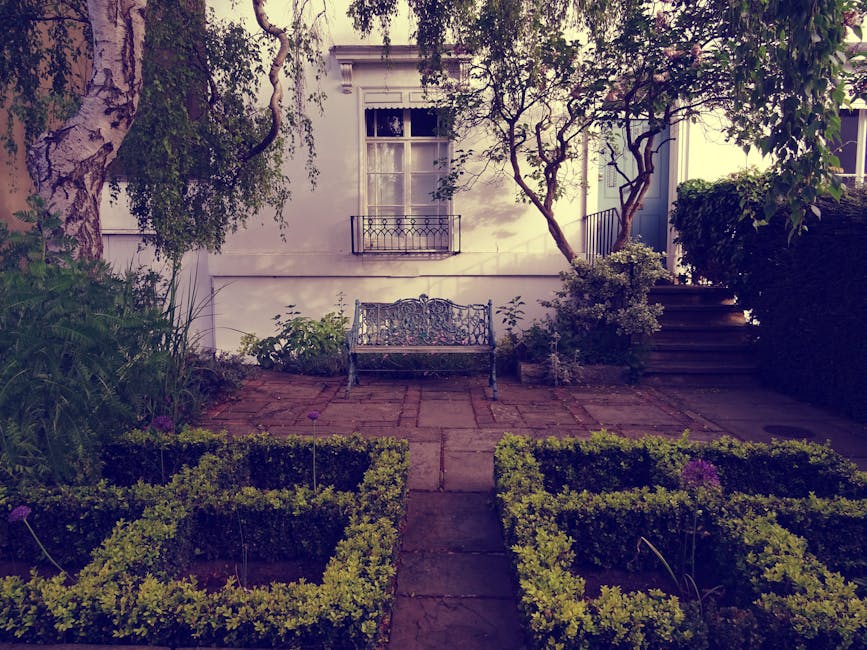
Garden maintenance in Canary Wharf should keep planted spaces neat, healthy and presentable across the seasons, whether the work is for a private courtyard, a shared residential planting scheme or a managed commercial terrace. Our service covers routine upkeep such as mowing, edging, trimming, pruning and clearing away green waste, with practical attention to the details that keep outdoor areas looking cared for rather than merely cut back. The aim is a reliable, tidy finish that suits the space and the way it is used.
Because every outdoor area has different planting, access and upkeep needs, we tailor the work to the condition of the site and the current growth. Some gardens need regular light maintenance to stay in shape, while others benefit from a one-off tidy to recover from an overgrown spell. We can support ongoing garden maintenance plans as well as individual visits, always focusing on visible presentation, plant health and sensible aftercare rather than unnecessary disturbance.
Our approach is straightforward: identify what needs attention, carry out the agreed tasks efficiently and leave the area ready for use. If you are looking for a practical service in the area, request a quotation and we will help you plan the right level of maintenance for the space.
Routine care for planted spaces
Routine garden maintenance is often the difference between an outdoor area that stays inviting and one that becomes difficult to manage. We handle the regular jobs that keep growth under control and the planting bed structure clear, including grass cutting where lawns are present, weed reduction, border tidying, light pruning and the collection of loose debris. For shared spaces, consistency matters as much as appearance, so our work is designed to support a steady standard rather than occasional heavy intervention.
We also pay attention to the small finish details that affect how the whole space reads. Clean edges, balanced trimming and the removal of dead material can make a significant difference to planting beds, paths and entrances. Where seasonal changes bring heavier growth or more fallen matter, the maintenance plan can be adjusted so that the garden remains manageable without overworking the plants. See our garden maintenance service for a fuller description of the day-to-day care we provide.
What routine maintenance can include
The exact mix of tasks depends on the garden, but common maintenance work may include:
- cutting and shaping grassed areas where suitable
- trimming hedges and shrubs to maintain clean lines
- weeding beds, borders and paved edges
- clearing leaves, cuttings and light seasonal debris
- tidying access routes, entrances and visible front-facing areas
Grass cutting and lawn care

Where lawns are part of the site, mowing is usually one of the main tasks that keeps the garden looking finished. Our lawn care work is not limited to a quick pass with a mower; we consider edging, the condition of the grass, access around borders and whether the area needs a careful, low-cut tidy or a more measured approach. A well-kept lawn can anchor the rest of the garden, especially where paths, planters and shrubs all share the same small footprint.
We can maintain lawns as part of a wider package or deal with mowing on its own when that is the main need. If the grass has become uneven, patchy or difficult to manage, a sensible sequence of cuts and tidy-up work may be more appropriate than trying to do everything at once. For clients who want a regular mowing schedule or occasional recovery work, our lawn mowing page sets out the service in more detail.
Good lawn maintenance also depends on keeping the surrounding features clear enough for clean lines and safe movement. That can include cutting back encroaching growth, removing clippings properly and avoiding damage to nearby planting. Careful mowing supports the appearance of the whole space, not just the grass itself, so the work is planned to suit the garden rather than forcing a one-size-fits-all routine.
Hedge trimming and shaping
Hedges and taller shrubs often need more than a quick tidy if they are to stay balanced, healthy and within their intended boundaries. We trim hedges to maintain shape, improve neatness and help prevent overgrowth from narrowing paths, blocking light or softening the structure of the garden too much. In maintained spaces, clean hedge lines often make the biggest visual difference after lawns and beds have been sorted.
Our hedge trimming work can be integrated into regular maintenance visits or arranged as a standalone task when a hedge has gone beyond its ideal height or spread. Different species and different seasons call for different levels of restraint, so the approach is guided by the plant and the setting rather than by a fixed cutting pattern. Read more about hedge trimming if you need a clearer idea of how that service fits into general garden upkeep.
Where hedges are used for screening, privacy or boundary definition, the finish matters as much as the cut. We aim for even, sensible shaping that leaves the planting looking deliberate, not harshly reduced. If there are awkward corners, mixed growth or hard-to-reach sections, those are handled carefully so the result remains tidy across the whole line.
Garden clearance and heavier tidy-ups

Some outdoor areas need more than routine maintenance before they can return to an orderly state. Garden clearance is useful when growth has become dense, debris has built up or the site has been left untouched for a period of time. The work can include removing brambles, cutting back excess growth, lifting loose waste and restoring access to beds, paths and boundaries. The objective is to bring the space back to a workable condition without stripping away everything that is worth keeping.
Clearance work is often a practical starting point before regular maintenance resumes. Once the main overgrowth, waste and obstructive material have been dealt with, it becomes much easier to assess what the garden actually needs next. That may mean edging, selective pruning, lawn care or simple repeat visits to prevent the same problem returning. Explore garden clearance if you need a one-off tidy to reset the space.
In heavier clearances, we work in a considered order so that the main shape of the garden becomes visible before finer detail is tackled. This helps avoid unnecessary removal of healthy planting and makes it easier to distinguish useful growth from material that simply needs to go. The result should be cleaner, safer and more manageable, while still leaving room for future planting or maintenance decisions.
Planting areas, borders and seasonal upkeep
Well-kept borders and planting beds depend on more than occasional trimming. We maintain the visible structure of planted areas by removing weeds, tidying edges, cutting back spent growth and helping the garden keep a defined shape through changing seasons. In compact city spaces, borders can quickly dominate paths and seating areas if they are not managed thoughtfully, so seasonal upkeep helps preserve both appearance and practical use.
The work here often involves judgment rather than heavy cutting. Some stems are best left in place for structure or future growth, while others should be removed to keep the planting breathable and balanced. This is where regular maintenance pays off: it allows smaller adjustments across the year instead of a large, disruptive reset. See landscape gardening options if you are planning a wider redesign alongside ongoing upkeep.
We can also support simpler improvements such as refreshing the outline of beds, keeping soil and mulch areas neat, and making sure decorative planting does not drift over hard surfaces. That kind of detail is easy to overlook, but it shapes the overall impression of the space and helps the garden feel intentional rather than left to spread naturally without guidance.
Working with access, timing and quotation details

Garden maintenance in a busy location often needs practical planning as well as horticultural care. Access arrangements, working hours, shared entrances and the position of plants or stored items can all affect how a visit is organised. When a space is small or partially enclosed, the method matters as much as the tools, because the aim is to complete the maintenance neatly without causing avoidable disruption to the surrounding area.
To prepare a quotation, it helps to describe the main tasks you want covered, the approximate size of the outdoor area and whether the work is regular maintenance or a one-off clearance. Photos can also be useful when they show the current condition of lawns, borders, hedges or access points. If you already know which tasks are most important, include them clearly so the quotation can reflect the actual scope rather than a generic assumption. Visit pricing and quotes for more information on getting started.
Useful details for an enquiry can include the type of space, whether waste needs removing, and any sensitive areas that should be worked around. That does not need to be complicated: a concise description is often enough to begin with. What matters is that the job can be assessed against the right level of care, so the proposed work is matched to the garden rather than squeezed into an unsuitable template.
About Canary Wharf
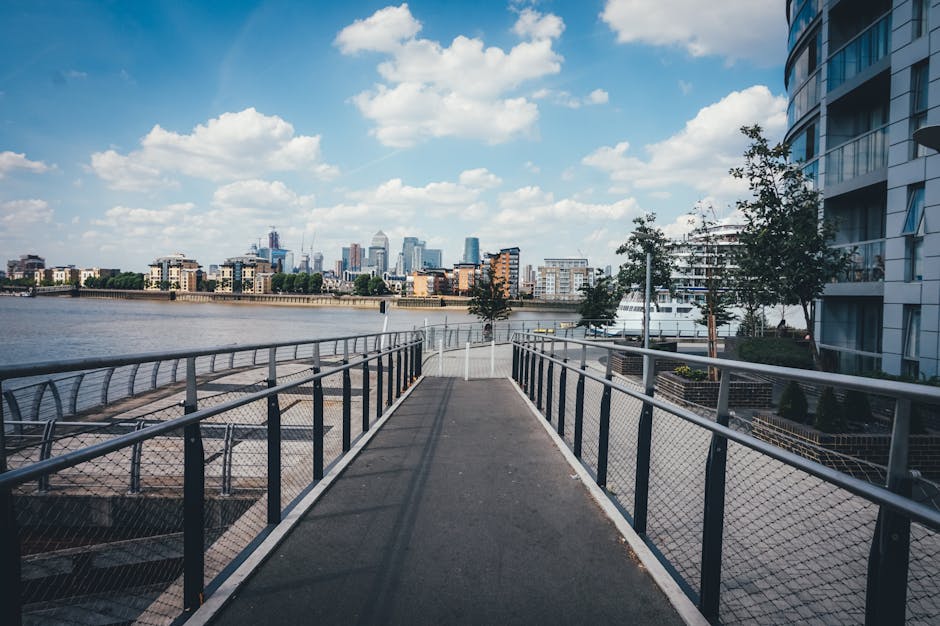
Canary Wharf is a major district in the London Borough of Tower Hamlets on the Isle of Dogs, known for its dense cluster of tall buildings, waterside routes and carefully planned public realm. The area grew out of former docklands, and its modern identity is closely tied to large-scale redevelopment from the late twentieth century onwards. While the skyline is its most obvious feature, the place also includes quieter spaces at street level, with landscaped squares, pedestrian routes and planted areas that soften the hard edges of the commercial core. Canary Wharf station, the Jubilee line and the Elizabeth line have helped make the district one of the capital’s most connected business locations, while the surrounding area retains links to the docks that once dominated the landscape. The West India Quay and South Dock areas recall that older maritime geography, and the waterways remain an important part of how the district is read today. The area also has notable public artwork, retail concourses and seasonal events, alongside open spaces such as Crossrail Place Roof Garden, which combines planting with sheltered architecture. Nearby promenades and quayside paths give the district a varied feel despite its modern construction, and the contrast between glass towers, water, brick remnants and planted walkways is a defining part of its character. For visitors and residents alike, Canary Wharf is not simply a financial centre but a carefully composed urban place where built form, transport and green detail sit side by side.
Landscape improvements and longer-term care
Not every outdoor space needs redesign, but some benefit from changes that improve structure, drainage, planting balance or usability. Our landscape gardening work can complement maintenance where a garden would benefit from new beds, refreshed layouts, better planting combinations or a more coherent finish across hard and soft surfaces. This is especially useful where the current arrangement feels fragmented or where older planting no longer suits the use of the space. View our services overview to compare the main ways we support outdoor spaces.
Longer-term improvement work is usually most effective when it is shaped around the site rather than around a fashionable idea. That means considering shade, visibility, access, existing surfaces and the amount of upkeep the finished space should require. The aim is to create something that looks purposeful and remains realistic to maintain, whether that is a small planted courtyard, a communal frontage or a broader landscaped area.
We can also work alongside ongoing maintenance so that new planting or revised layouts do not quickly fall back into disorder. Good design and regular upkeep support each other: one gives the garden a structure, and the other protects it from becoming overgrown or uneven. If you want a refreshed outdoor area that still stays manageable, this is where planning and maintenance should meet.
Keeping the finish clean and manageable
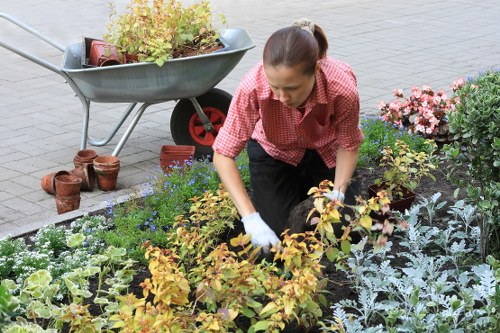
A dependable maintenance service should leave the garden usable as well as tidy. That means removing cut material, gathering loose debris and making sure the visible parts of the space are left in a presentable condition. In some gardens, that finish is the main value of the visit; in others, it is part of a wider pattern of routine care that keeps the area under control between seasonal changes. Either way, the result should feel deliberate and orderly.
When you are ready to arrange work, the clearest way to move forward is to share the main tasks, the location and the condition of the garden so the right level of maintenance can be proposed. If you would like to compare the service with other work we provide, learn more about our background or contact us for a quotation. We will then help you shape a practical plan for your outdoor space.
For a regular visit or a one-off tidy, request a quotation and we will help you choose the maintenance approach that fits the garden best.