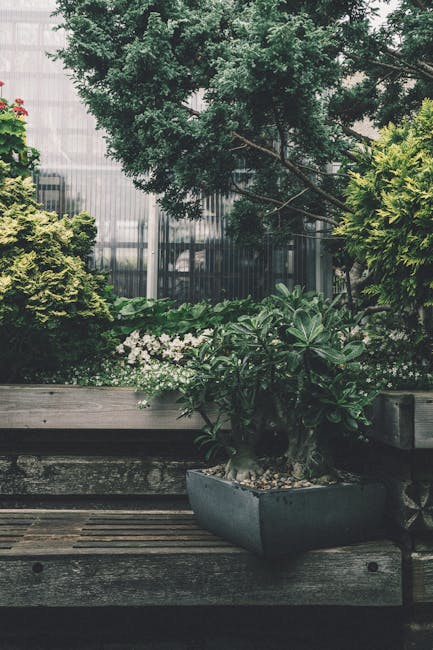
Why hire professional gardeners in Isle of Dogs flats
Living in a flat in the Isle of Dogs can be brilliant, but green space is often limited, awkwardly placed, or shared with neighbours who all have different ideas about what "tidy" means. That is exactly why hire professional gardeners in Isle of Dogs flats is such a sensible question to ask. Whether you have a balcony planter, a roof terrace, a small communal courtyard, or access to shared ground-level planting, the right help can save time, reduce risk, and make the space feel properly looked after instead of half-managed. In a busy part of London, that matters more than people think.
Professional garden care is not just about mowing a lawn or trimming a hedge. In flat settings, it often means maintaining planters, refreshing tired soil, keeping surfaces clear and safe, managing seasonal growth, and working around access limitations without upsetting residents. It is the kind of work that looks simple from the outside and gets fiddly very quickly. Let's face it, a balcony box full of dry soil and leggy herbs can turn into a weekend frustration fast.
This guide explains the real reasons flat owners, tenants, landlords, and building managers choose professional gardeners in the Isle of Dogs. You will see how the service works, what benefits matter most, which mistakes to avoid, and how to decide whether it is the right move for your building or home.
Table of Contents
- Why it matters in Isle of Dogs flats
- How the service works
- Key benefits and practical advantages
- Who this is for and when it makes sense
- Step-by-step guidance
- Expert tips for better results
- Common mistakes to avoid
- Tools, resources and recommendations
- Law, compliance, standards and best practice
- Options, methods and comparison
- Case study or real-world example
- Practical checklist
- Conclusion
- Frequently asked questions
Why hire professional gardeners in Isle of Dogs flats Matters
Flats in the Isle of Dogs tend to come with a specific set of garden-related challenges. Space is tight. Access can be awkward. Shared areas need to look good for everyone. And the climate exposure is often harsher than people expect, especially on higher balconies and terraces where wind dries containers out fast. A few weeks of neglect can leave even a decent planting scheme looking patchy, tired, and frankly a bit sad.
Professional gardeners bring consistency. That is the real value. They do not just "do the garden" when it becomes unbearable; they create a routine so the space stays usable and attractive. In a flat setting, that often means preventing small problems from becoming expensive ones. A blocked drain on a terrace, overgrown planters attracting pests, slippery algae on paving, or a hedge that starts crossing into communal space can all snowball if nobody is keeping an eye on them.
There is also a practical building-management angle. Shared spaces usually need predictable care, clear communication, and a standard of finish that suits multiple residents. One person's quick tidy-up can be another person's mess. A professional service helps avoid that muddle. If your building needs broader support, it can be useful to explore a wider services overview and see how regular care fits with other outdoor improvements.
Expert summary: In flat living, garden care is less about "having plants" and more about keeping a small, exposed, shared, or access-limited space healthy, safe, and pleasant to use. That is where professional help pays for itself in time, consistency, and fewer headaches.
How hire professional gardeners in Isle of Dogs flats Works
The process is usually straightforward, but it works best when expectations are clear from the outset. Most professional garden visits start with a walk-through or a photo-based assessment. That helps identify what is growing well, what is damaged, what needs cutting back, and what simply needs a better routine. In a flat, this matters because the same space may need different care depending on whether it is a private balcony, a shared roof terrace, or a communal entrance area.
After that, the gardener will typically agree a scope of work. This may include planting, pruning, deadheading, watering, clearing debris, light soil replacement, hedge trimming, lawn mowing if a small communal lawn exists, and sometimes seasonal tidy-ups. If the space includes hard landscaping or timber features, services such as decking services may also be relevant, especially where slip control and neat finishes are important.
Visits can be one-off or recurring. One-off work is usually for a reset: a neglected balcony, a spring refresh, or a pre-tenancy tidy. Recurring maintenance is better when you want the space to stay under control all year. That regular rhythm is often the difference between a garden that feels intentional and one that just looks like it is coping, barely.
Professional gardeners should also account for access and building etiquette. That means respecting loading bays, lift access, quiet hours, shared hallways, refuse rules, and resident safety. In good buildings, that kind of care is invisible. In poor ones, it is the difference between a smooth visit and a minor drama before lunch.
Key Benefits and Practical Advantages
The biggest benefit is simple: your outdoor space gets done properly, on time, and with less stress for you. But there is a lot more to it than convenience.
- Better presentation: A tidy planter, clean edge, and healthy planting scheme make a flat feel more lived-in and more valuable.
- More usable space: Regular care keeps terraces, patios, and balconies usable instead of becoming storage zones with a couple of half-dead pots.
- Safer surfaces: Moss, mud, loose leaves, and algae can make communal or private outdoor areas slippery.
- Less plant loss: Experienced gardeners notice water stress, pests, poor drainage, and compacted soil early.
- Time saved: You avoid buying tools, carrying heavy bags through a building, and spending your Saturday chasing weeds.
- Better planning: A professional can help choose plants that cope better with shade, wind, and container life in London.
- Reduced neighbour friction: Shared spaces stay consistent instead of becoming a point of complaint.
There is also a quieter benefit that people often mention after the first few visits: the space starts feeling calmer. Not bigger, obviously. But calmer. A few well-kept pots and clean lines can change how a flat feels when you open the door in the morning.
If you are comparing ongoing care options, garden maintenance is often the most practical starting point because it covers the routine jobs that keep everything ticking over. For outdoor areas that need a full reset first, garden clearance may be the better first step.
Who This Is For and When It Makes Sense
This service suits more people than you might expect. It is not only for homes with large gardens or expensive terraces. In fact, flat owners often benefit the most because the space is small enough that problems show quickly, yet awkward enough that DIY maintenance is frustrating.
Professional gardeners are especially useful for:
- flat owners who want a tidy, attractive terrace or balcony without the upkeep burden
- landlords preparing a flat for new tenants
- letting agents managing shared outdoor areas
- building managers responsible for communal plantings or entrance areas
- older residents who still enjoy plants but do not want to lift heavy pots or climb ladders
- busy professionals who are away often, especially during spring and summer growth spurts
It also makes sense when the work is more technical than it first appears. For example, if a terrace has poor drainage, if planters keep drying out, or if a small tree is beginning to outgrow its container, a professional can deal with the issue before it becomes a mess. Sometimes the first sign is just a few yellowing leaves. Sometimes it is a crack in a pot or roots pushing through the wrong place. Small clues. Easy to miss.
If the issue is beyond routine care and into reshaping or improving the outdoor area, landscaping or landscape gardening may be worth considering alongside maintenance.
Step-by-Step Guidance
Here is the simplest way to approach professional garden care for a flat in the Isle of Dogs.
- Identify the real problem. Is it maintenance, a one-off clearance, planting advice, or a combination? Be honest here. A lot of people say they need "just a tidy" when the space actually needs a proper reset.
- List the areas involved. Balcony, terrace, courtyard, communal entrance, roof space, containers, hedging, decked sections, or small lawns.
- Check access and building rules. Know lift restrictions, working hours, parking limitations, and whether the area is private or shared.
- Gather a few photos. This helps a gardener understand the scale of the job before visiting.
- Ask for a clear scope. Good wording matters. For example: prune, weed, replace soil, tidy planters, remove waste, and check drainage.
- Set a frequency. Monthly, seasonal, or one-off. In flat settings, monthly or fortnightly care can be enough for smaller spaces, while exposed terraces may need more frequent attention in summer.
- Review the results. After the first visit, note what improved and what still needs attention. A decent provider will adjust the routine if needed.
A good sign is when the gardener explains what they are doing and why. For example, they may suggest pruning at a different time of year, changing watering habits, or switching to lower-maintenance plants. That kind of advice is worth something. Quite a lot, really.
Expert Tips for Better Results
Professional gardeners can do a lot, but the best results usually come from a bit of shared understanding between the resident and the gardener. Here are some practical tips that make a real difference.
- Choose containers with drainage. No drainage, no joy. Plants sitting in water for too long tend to struggle, especially in wet weather.
- Match plants to light levels. A shady north-facing balcony is not the place for sun-hungry herbs unless you enjoy disappointment.
- Keep a simple watering routine. In containers, watering is not optional. During warm spells, it may need checking daily.
- Use lighter materials where possible. Flat gardeners often need to consider weight limits, especially on balconies and roof terraces.
- Ask for seasonal planning. The best maintenance is not the same in March as it is in August. Spring tidy-ups and winter protection are different jobs.
- Leave room for access. If a gardener cannot reach the back of the terrace easily, the whole job takes longer and the finish suffers.
- Be realistic about perfection. In a city flat, especially in exposed spots, plants will occasionally look battered after wind, rain, or a hot spell. That is normal.
One small but useful habit: keep a note of what has been planted and when. It sounds boring, but when you have a few tubs and a mix of herbs, shrubs, and ornamental plants, memory gets slippery fast. We have all done it. "That was definitely lavender, wasn't it?" Turns out, not always.
Common Mistakes to Avoid
People usually do not get garden care wrong because they do not care. They get it wrong because flat gardening looks easy until the space starts reacting to weather, shade, and access issues all at once.
- Choosing the cheapest quote without checking scope. A low price means little if key tasks are missing.
- Ignoring access details. A terrace with restricted lift access or a communal garden behind locked gates needs planning.
- Overwatering. Containers can drown just as easily as they can dry out.
- Using the wrong plants. Plenty of attractive plants fail in exposed flat settings because they were chosen for looks, not conditions.
- Putting off clearance work. Once dead material, weeds, and broken pots build up, maintenance becomes slower and less pleasant.
- Assuming one visit will fix everything. Some spaces need a tidy-up first, then a maintenance routine after that.
A very common mistake is treating a small terrace like it is a miniature country garden. It is not. It is usually windier, hotter in summer, colder in winter, and more dependent on the right containers and care. Different game entirely.
Tools, Resources and Recommendations
You do not need to become a full-time gardener to keep a flat garden healthy, but it helps to understand what professionals typically use and why. That makes conversations easier and helps you judge whether the right work is being done.
Common tools and resources include:
- hand pruners and loppers for precise cutting
- lightweight brooms and handheld blowers for debris control
- watering cans or hose systems for container care where access allows it
- soil improvers and compost for tired planters
- mulch for moisture retention and a neater finish
- weed removal tools for patios, paving, and planter edges
- seasonal planting plans to keep colour and structure year-round
For recurring care, it is worth looking for a provider that can adapt to small-space needs rather than applying a one-size-fits-all approach. If hedging or boundary screening is part of the job, hedge trimming can be a useful standalone or add-on service. If the property includes trees that need proper attention, tree lopping and removal may be relevant, though that work should always be assessed carefully and handled with the right competence.
For quotes, it is sensible to use a page like pricing and quotes so you can ask for a clear breakdown rather than guessing what is included. Clean payment handling and sensible admin also matter, so it is worth checking payment and security if you are dealing with any ongoing arrangement.
Law, Compliance, Standards, or Best Practice
Garden work in flats can touch on safety, waste handling, access arrangements, and neighbour considerations. You do not need to become a legal expert, but you do want a provider that takes good practice seriously. In the UK, that usually means sensible risk assessment, safe use of tools, proper waste removal, and respect for shared spaces.
For communal areas or managed buildings, best practice is to avoid blocking exits, leaving tools unattended, or storing waste where residents need to pass. For balconies and roof terraces, weight, drainage, and surface slip risk should be considered before any major planting or hardscape changes. It sounds obvious, but people still pile too much into a corner and then wonder why a planter is cracking or a deck feels off-balance.
It is also wise to ask how waste is dealt with. Green waste should be removed responsibly, and reputable firms should be clear about their disposal approach. If sustainability matters to you, you can ask about recycling and sustainability before work begins.
Good providers will also have clear policies for safety and complaints, which is a useful trust signal. Pages such as health and safety policy, insurance and safety, and complaints procedure can tell you a lot about how seriously a company treats its work and its customers.
Options, Methods, or Comparison Table
If you are deciding whether to DIY or bring in help, this quick comparison may make things clearer.
| Approach | Best for | Pros | Limitations |
|---|---|---|---|
| DIY maintenance | Very small, simple balcony spaces | Low direct cost, flexible timing | Easy to miss drainage, pruning, watering, and waste issues |
| One-off professional tidy-up | Neglected flats, move-ins, pre-sale refreshes | Fast visible improvement, good reset point | Does not stop problems returning without follow-up |
| Regular maintenance visits | Occupied flats, communal areas, active terraces | Consistent results, less stress, fewer surprises | Ongoing cost, needs a clear schedule |
| Full landscaping support | Redesigns, tired outdoor areas, structural changes | Better layout, better use of space, stronger finish | More planning, usually more investment |
For many Isle of Dogs flats, the sweet spot is a one-off reset followed by scheduled maintenance. That way the space gets cleaned up properly first, then kept in shape without you having to babysit every leaf and pot. Which, to be fair, is the whole point.
Case Study or Real-World Example
A typical scenario goes like this. A resident in a flat near the water has a narrow terrace with a couple of large planters, a small screen hedge, and a timber seating area. Over a few months, the plants become patchy, weeds take hold at the edges, and the decking starts feeling slippery after damp mornings. Nothing dramatic. Just enough to make the space feel neglected.
Instead of replacing everything, a professional gardener first clears dead material, checks drainage, trims back overgrowth, refreshes the soil, and repositions weaker plants into better light. The hedge is cut back to a manageable shape, the decking is cleaned as part of the visit, and the resident gets a simple watering and care plan for the next few weeks.
The result is not a luxury rooftop transformation. It is better than that, in a way. The area becomes usable again. The resident starts sitting outside with tea in the morning. The space looks cared for instead of abandoned. Sometimes that is all a flat really needs: not a big makeover, just the right amount of attention at the right time.
Practical Checklist
Use this checklist before you book or schedule garden work for a flat.
- Confirm whether the space is private, shared, or managed by a building
- List the areas that need attention: balcony, terrace, courtyard, entrance, planters, hedges, decking
- Take recent photos in daylight
- Note access details, lift restrictions, and any resident rules
- Decide whether you need a one-off tidy-up or regular maintenance
- Ask what happens to waste and cuttings
- Check whether any heavy items or unsafe growth need special handling
- Ask for a clear written scope before work starts
- Make sure the timing works around neighbours and building hours
- Review the result after the first visit and adjust the plan if needed
If you want to understand the company behind the work, a brief look at about us can also help you judge whether the team feels like the right fit for your building and expectations.
Conclusion
There are plenty of reasons to hire professional gardeners in Isle of Dogs flats, but the strongest one is simple: flat outdoor spaces need specialist care to stay useful, tidy, and safe. They are small, exposed, and often shared. That combination can be tricky. A professional brings routine, local know-how, and a more reliable result than most people can manage while juggling work, commuting, and everyday life.
Whether you need a one-off clearance, ongoing maintenance, support with planting, or help keeping a terrace from sliding into chaos, the right service can make a real difference. Not flashy, just solid. And honestly, that is what good garden care should be.
If you are ready to take the next step, choose a provider that explains the work clearly, respects your building, and understands the realities of flat living. That is where the value shows up day after day, not just on the first tidy-up. A well-kept outdoor space gives back quietly, every time you open the door and breathe out a little.
Get a free quote today and see how much you can save.
Frequently Asked Questions
Why hire professional gardeners in Isle of Dogs flats instead of doing it myself?
DIY can work for a very small balcony, but professional gardeners are better when the space needs regular care, safe access planning, proper pruning, waste removal, or a more polished finish. In flats, the details matter more than people expect.
How often should a flat garden be maintained?
It depends on the space and the planting. Some balconies only need seasonal work, while exposed terraces or communal areas may need monthly or fortnightly attention. During warmer months, containers can need more frequent watering and checking.
Do professional gardeners handle balcony planters and container gardens?
Yes, many do. Container gardens are a big part of flat living, and they often need soil refreshes, pruning, feeding, pest checks, and the right plant selection for wind and shade conditions.
Can a gardener help if my flat outdoor space is overgrown or messy?
Absolutely. A one-off clearance visit is often the best starting point. It gives you a clean slate before any regular maintenance begins. If the area is cluttered, neglected, or full of dead growth, a clearance service is often the sensible first move.
What should I ask before booking garden maintenance for a flat?
Ask what is included, how waste is handled, whether the team has experience with flat access, and whether they can work around building rules. A clear scope prevents misunderstandings later.
Is professional garden care useful for landlords?
Yes. A tidy outdoor space can improve a flat's presentation for viewings, inspections, and changeovers. It also helps reduce complaints about communal areas or neglected planting.
Do I need landscaping or just maintenance?
If the space already functions well but needs tidying and seasonal care, maintenance is usually enough. If the layout is awkward, the planting is failing, or the outdoor area needs a redesign, landscaping may be a better fit.
Are professional gardeners in flats responsible for waste removal?
Usually, yes, if that is included in the service agreement. It is best to confirm this in advance so you know what happens to cuttings, dead plants, soil, and broken pots.
How do I know if a gardener is suitable for a shared building?
Look for clear communication, attention to access and safety, and a sensible approach to shared spaces. Good providers should be comfortable working around residents, lifts, and building timings without causing disruption.
What if my terrace or balcony has decking?
Decking needs its own care routine. It can become slippery or weathered, especially in damp conditions. A gardener who also understands decking can help keep the area looking tidy and safer to use.
Can professional gardeners help with hedge trimming or small trees near flats?
Yes, where appropriate. Small hedges and planted screening often need trimming to stay neat and manageable. For larger or riskier tree work, a more specialist service may be required, depending on the situation.
What is the biggest mistake people make with flat gardens?
Leaving problems too long. In a flat, a small issue can look twice as bad in half the space. Overgrown planters, poor drainage, or tired planting quickly make the whole area feel neglected. A bit of regular care avoids that spiral.